


Table of Contents
Introduction
Polycystic ovarian syndrome (PCOS) is one of the most common hormonal conditions affecting women today. Period irregularities, weight gain, acne, hair loss, excess facial hair, infertility, and insulin resistance are common concerns for many women with PCOS. Although there’s no cure, you can manage PCOS effectively with the right diet and lifestyle changes.
PCOS diet plan is a powerful tool for managing PCOS symptoms. A well-planned PCOS diet can support weight loss, improve insulin sensitivity, balance hormones, and help regulate menstrual cycles.
This guide walks you through a comprehensive PCOS diet plan: what to eat, what to avoid, meal ideas, and practical nutrition tips to manage PCOS naturally.

Understanding PCOS and the Role of Diet
PCOS is closely linked to:
- Insulin resistance
- Hormonal imbalance (high androgens)
- Chronic inflammation
- Weight gain
WHO TIP:Symptoms arise when insulin levels remain high, prompting the ovaries to produce more androgens. The main goals of a PCOS-friendly diet are blood sugar regulation and inflammation reduction.
Top Foods for a PCOS Diet Plan
1. Foods High in Fiber
Why: Fiber slows digestion and helps regulate blood sugar.
Best sources: vegetables (broccoli, cauliflower, carrots, spinach, beans), fruits (guava, berries, pears, apples), whole grains (quinoa, brown rice, oats), flaxseeds, and chia seeds.
Benefits: improves insulin sensitivity, supports weight loss, promotes gut health.
2. Good Fats
Why: Healthy fats help balance hormones and lower inflammation.
Sources: avocado, olive oil (in moderation), coconut oil, nuts (walnuts, almonds), seeds (sunflower, pumpkin).
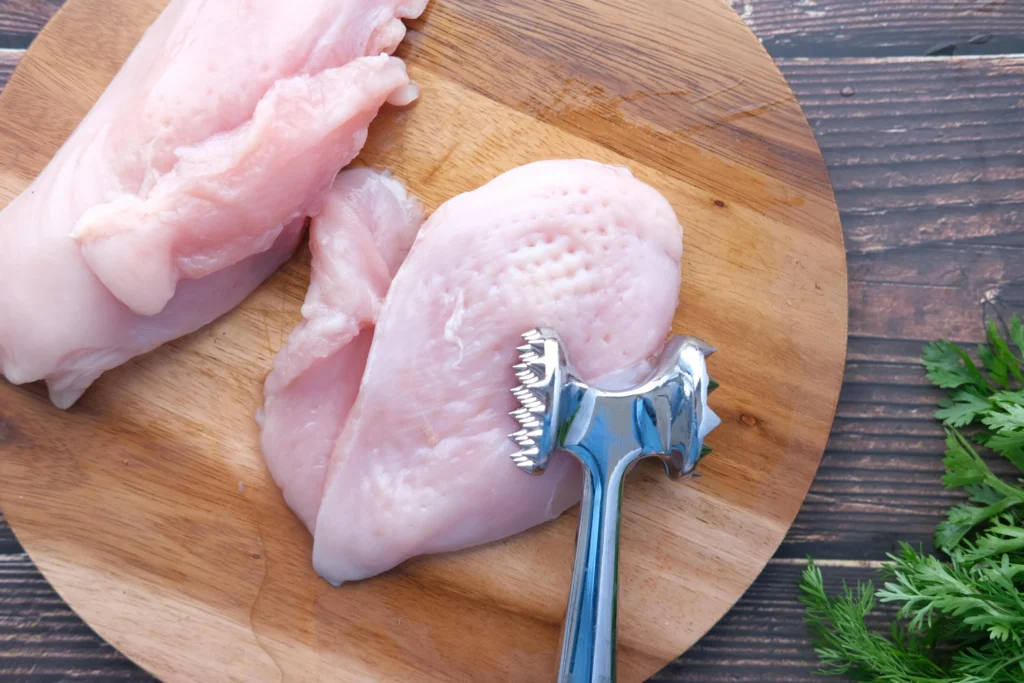
3. Lean Protein
Why: Protein helps stabilize blood sugar and curb cravings.
Best options: eggs, fish (sardines, salmon), chicken breast, low-fat paneer, beans, chickpeas, lentils, tofu.
Advice: include protein at each meal to help manage appetite.
4. Low-GI Fruits
Why: Low glycemic index fruits have milder effects on blood sugar.
Best picks: berries, apples, kiwi, pear, pomegranate.
Note: whole fruits are preferable to fruit juices.
5. Anti-Inflammatory Foods
Why: Chronic inflammation is common in PCOS and can worsen symptoms.
Include: turmeric, ginger, garlic, leafy greens, and tomatoes.
Benefit: may help balance hormones and reduce discomfort.
6. Gut-Friendly & Probiotic Foods
Why: Gut health influences hormones and metabolism.
Include:unsweetened yogurt or curd, buttermilk, and fermented foods.
Benefit: supports insulin sensitivity and metabolic health.
Foods to Steer Clear of in PCOS
1) Refined Carbs
Avoid: white bread, white rice, maida-based items, pastries, cakes, cookies.
Swap: whole grains and high-fiber options instead.
2) Sugary Drinks and Sweets
Avoid: soft drinks, packaged juices, sweets, chocolate, and flavored yogurt.
3) Junk and Processed Foods
Avoid: fast foods, chips, packaged snacks, and instant noodles.
4) Trans Fats
Found in: margarine, many fried foods, commercial baked goods.
Tip: Read labels to avoid trans fats.
5) Dairy Sensitivity (for some women)
If dairy causes issues, limit full-fat dairy, cheese, and cream; consider plant-based or lower-fat alternatives.
Best Exercises to Reduce Belly Fat Naturally & Effectively
Timing and Eating Patterns for PCOS
- Eat every 3–4 hours.
- Don’t skip breakfast.
- Avoid late-night eating.
- Keep dinners relatively light to support blood sugar control.
An Example Indian-Style PCOS Diet Plan
- Morning: Warm water with soaked fenugreek seeds (empty stomach)
- Breakfast: cooked eggs with vegetables or vegetable oats
- Midmorning: a handful of nuts or an apple
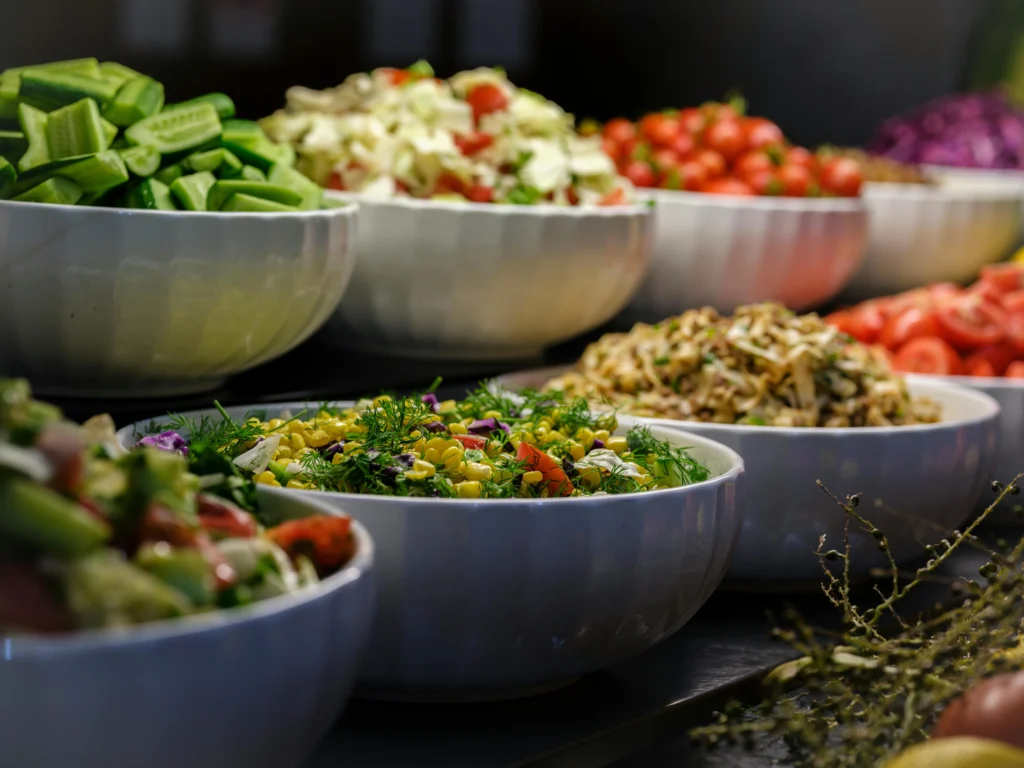
- Lunch: salad + vegetable curry + brown rice or millet + dal
- Evening: roasted chickpeas (roasted chana) and green tea
- Dinner: paneer or tofu curry with chapati and vegetables
- Before bed (optional): milk with turmeric
PCOS Diet and Lifestyle Advice
- Exercise about 30 minutes daily (walking, yoga, strength training)
- Practice deep breathing and meditation to reduce stress.
- Aim for 7–8 hours of sleep per night.
- Avoid alcohol and smoking
Can a PCOS Diet Help with Weight Loss?
Yes. A high-fiber, high-protein, low-GI PCOS diet can:
- Curb cravings
- Boost metabolism
- Promote healthy fat loss
- Even a 5–10% reduction in weight can markedly alleviate PCOS symptoms.
Common Questions
- Can someone with PCOS eat rice? Yes, in moderation; prefer brown rice or millets.
- Is diet a cure for PCOS? No cure exists, but diet and lifestyle can control symptoms effectively.
- Does PCOS benefit from fasting? Some women may benefit from intermittent fasting, but it isn’t suitable for everyone; consult a clinician before starting.
Concluding Remarks
A balanced PCOS diet and healthy lifestyle are powerful tools for managing insulin resistance, hormonal imbalance, and weight. With consistent, smart choices—even small daily changes—PCOS symptoms can improve significantly, and you can lead a healthier, more confident life.